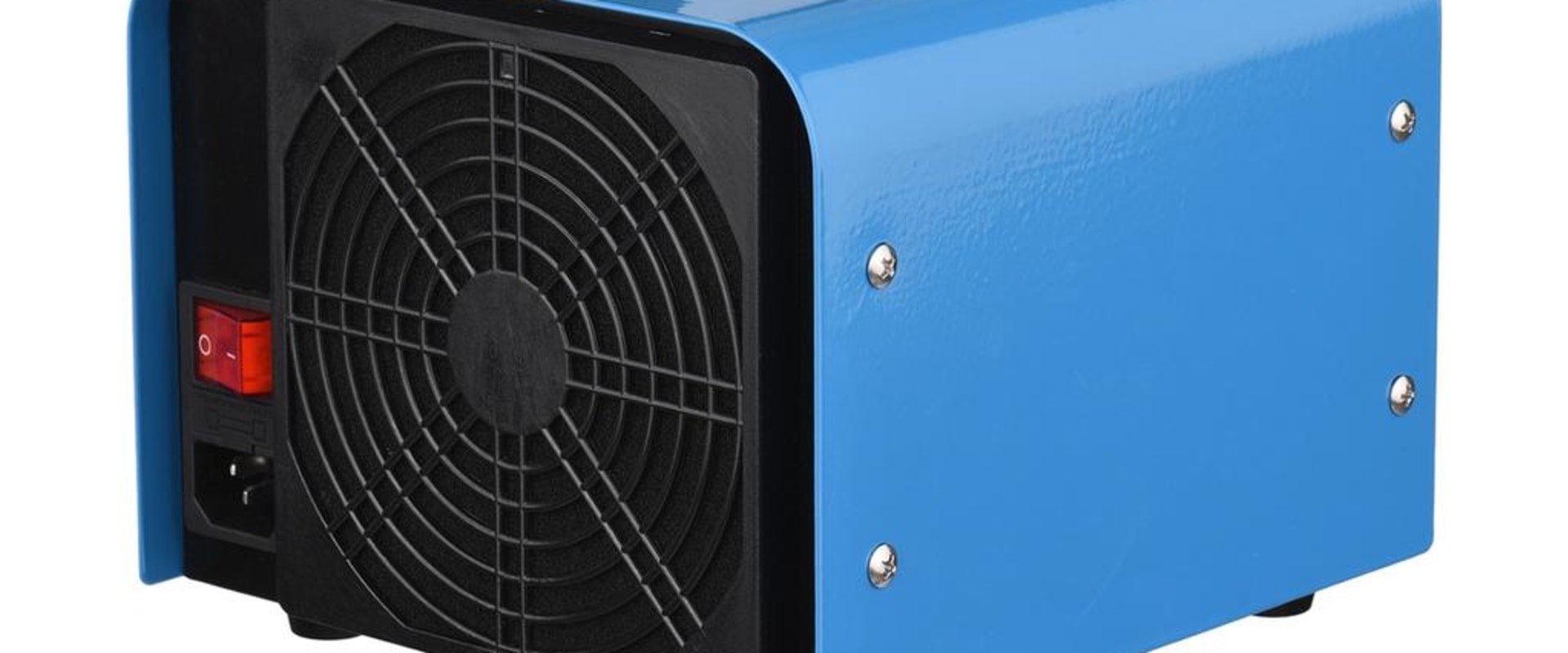
Ozone, a molecule composed of three oxygen atoms, plays a dual role in our atmosphere. While it is essential for protecting life on Earth by absorbing harmful ultraviolet (UV) radiation in the stratosphere, its presence at ground level can be detrimental to human health and air quality. This paradox arises from the fact that ozone is a secondary pollutant, meaning it is not directly emitted but forms when sunlight reacts with pollutants such as volatile organic compounds (VOCs) and nitrogen oxides. Understanding the nature of ozone and its impact on air quality is crucial for making informed decisions about air purification.In urban environments, where traffic and industrial activities are prevalent, ground-level ozone can reach harmful concentrations.
Exposure to elevated levels of ozone can lead to a range of health issues, including respiratory problems, aggravated asthma, and reduced lung function. Furthermore, ozone can react with other pollutants to create smog, which not only affects visibility but also poses additional health risks. The implications of poor air quality extend beyond individual health; they can also affect overall community well-being and environmental sustainability.Indoor air quality is often overlooked in discussions about ozone and pollution. Many people assume that being indoors protects them from outdoor pollutants, but this is not always the case.
Indoor environments can accumulate ozone from various sources, including certain types of air purifiers that generate ozone as a by-product. This accumulation can lead to higher concentrations of ozone indoors than what is found outside, exacerbating health risks for occupants. Therefore, understanding the sources and effects of ozone is vital for selecting effective air purification solutions.As we delve deeper into the topic of air purifiers, it becomes increasingly important to recognize the significance of choosing devices that do not produce ozone. By prioritizing ozone-free options, individuals can ensure a healthier indoor environment while effectively combating air pollution.
This knowledge empowers consumers to make choices that protect their health and enhance their quality of life.
The Mechanism of Ozone Production in Air Purifiers
Understanding how certain air purifiers generate ozone is crucial for making informed decisions about indoor air quality. Ozone production primarily occurs in devices that utilize specific technologies, such as ionizers and electrostatic precipitators. These technologies can effectively remove pollutants from the air, but they also have the potential to produce ozone as a by-product, which can be harmful to health.Ionizers and Ozone Generation
Ionizers work by emitting charged particles into the air. These charged particles attach themselves to airborne pollutants, such as dust, pollen, and smoke, causing them to clump together and fall to the ground or be trapped on collector plates within the device.While this process can significantly reduce particulate matter in the air, it can also lead to ozone production. The ionization process can convert oxygen molecules (O2) into ozone (O3) when high-voltage electricity is applied. This is particularly concerning because elevated levels of ozone can lead to respiratory issues and other health problems.
Electrostatic Precipitators
Electrostatic precipitators operate on a similar principle but use a different mechanism. These devices charge particles in the air and then pass them through a series of oppositely charged plates that attract and capture the particles.While they are effective at removing larger particles from the air, they can also produce ozone during the charging process. The amount of ozone generated can vary based on the design of the precipitator and its operational settings.
Implications for Indoor Air Quality
The presence of ozone in indoor environments poses significant risks. According to studies, exposure to elevated levels of ozone can exacerbate asthma symptoms, cause throat irritation, and lead to other respiratory issues. Therefore, it is essential for consumers to be aware of the potential for ozone production when selecting an air purifier.When considering an air purifier, it is advisable to look for models that are specifically labeled as ozone-free.These devices utilize alternative technologies such as HEPA filters combined with UV light or activated carbon filters that do not produce ozone as a by-product. By choosing these safer options, individuals can improve their indoor air quality without compromising their health.
Health Risks Associated with Ozone Exposure
Ozone exposure poses significant health risks, particularly for individuals with pre-existing respiratory conditions. Understanding these risks is crucial for making informed decisions about air purification options.Respiratory Issues
One of the most concerning effects of ozone exposure is its impact on respiratory health. Ozone is a potent oxidant that can irritate the airways, leading to a range of respiratory problems.
When inhaled, ozone can cause:
- Coughing: Many individuals report persistent coughing after exposure to elevated ozone levels.
- Throat Irritation: Ozone can lead to a scratchy or sore throat, making it uncomfortable to breathe.
- Shortness of Breath: Those exposed to high levels of ozone may experience difficulty breathing, especially during physical activities.
- Chest Pain: Some individuals report a feeling of tightness or pain in the chest when exposed to ozone.
Asthma and Other Conditions
For individuals with asthma, ozone exposure can exacerbate symptoms and trigger attacks. Studies have shown that even short-term exposure to elevated ozone levels can lead to increased asthma-related hospitalizations. The inflammatory response triggered by ozone can worsen airway hyperresponsiveness, making it more difficult for asthmatics to manage their condition.Moreover, children and the elderly are particularly vulnerable to the adverse effects of ozone. Children’s lungs are still developing, making them more susceptible to respiratory issues caused by air pollutants.
Similarly, older adults may have weakened immune systems and pre-existing health conditions that can be aggravated by ozone exposure.
Symptoms of Ozone Exposure
The symptoms associated with ozone exposure can vary from mild to severe and may include:
- Headaches
- Nausea
- Fatigue
- Worsening of existing lung diseases
The Rise of Ozone-Free Air Purifiers
In recent years, there has been a significant shift in consumer preferences towards ozone-free air purifiers. This trend is largely driven by growing awareness of the potential health risks associated with ozone exposure. As more individuals become informed about the harmful effects of ozone, manufacturers are responding by developing safer alternatives that do not compromise air quality.Ozone, while effective in certain industrial applications, poses serious health risks when present in indoor environments.Studies have shown that elevated levels of ozone can lead to respiratory issues, aggravate asthma, and cause other health complications. As a result, consumers are increasingly seeking out air purifiers that do not produce ozone as a by-product. This demand has prompted a surge in the availability of ozone-free options , which utilize advanced filtration technologies to clean the air without generating harmful gases.Manufacturers are now focusing on creating products that combine efficiency with safety. Many of these ozone-free air purifiers employ HEPA filters and activated carbon to capture airborne particles and odors effectively.
Additionally, some models incorporate innovative technologies such as UV-C light and photocatalytic oxidation to neutralize pathogens without producing ozone. This evolution in design reflects a broader market trend towards prioritizing health and safety in home environments.The benefits of choosing ozone-free air purifiers extend beyond just health considerations. These devices often operate more quietly and require less maintenance compared to their ozone-producing counterparts. Furthermore, they tend to be more energy-efficient, making them an environmentally friendly choice for consumers looking to reduce their carbon footprint.As the market for air purification continues to grow, it is clear that consumer concerns about ozone are shaping product development.
Companies that prioritize safety and efficacy are likely to gain a competitive edge in this evolving landscape. With ongoing advancements in technology and increasing public awareness, the future of air purification appears to be leaning heavily towards ozone-free solutions .
How Ozone-Free Air Purifiers Work
Ozone-free air purifiers utilize advanced technologies to effectively clean the air without producing harmful ozone as a by-product. Understanding how these devices work is crucial for consumers looking to improve their indoor air quality safely.HEPA Filtration: The Gold Standard
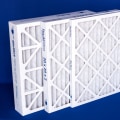
One of the primary components of ozone-free air purifiers is the HEPA filter (High-Efficiency Particulate Air filter). HEPA filters are designed to capture at least 99.97% of particles that are 0.3 microns in diameter.This includes common allergens such as:
- Pollen
- Dust mites
- Pet dander
- Mold spores
- Smoke particles
Bipolar Ionization: A Modern Approach
In addition to HEPA filtration, many ozone-free air purifiers incorporateIn addition to HEPA filtration, many ozone-free air purifiers incorporate bipolar ionization. This technology works by releasing both positive and negative ions into the air. These ions attach themselves to airborne particles, including bacteria and viruses, causing them to clump together and become heavier.As a result, these larger particles are more easily captured by the HEPA filter or fall to the ground, reducing their presence in the air.Bipolar ionization not only helps in removing pollutants but also neutralizes odors and harmful gases, contributing to a fresher indoor atmosphere. This dual-action approach enhances the overall effectiveness of ozone-free air purifiers.By combining HEPA filtration with bipolar ionization, ozone-free air purifiers provide a comprehensive solution for improving indoor air quality. They effectively remove allergens and pollutants while ensuring that no harmful ozone is produced, making them a safe choice for homes and offices alike.
Comparing Ozone-Free Air Purifiers with Traditional Models
When it comes to choosing an air purifier, consumers often find themselves weighing the benefits of ozone-free air purifiers against traditional models that produce ozone. Understanding the differences in performance and safety standards is crucial for making an informed decision.Performance Comparison
- Filtration Efficiency: Ozone-free air purifiers typically utilize HEPA filters, which are designed to capture 99.97% of particles as small as 0.3 microns.
This includes dust, pollen, pet dander, and even some bacteria and viruses. In contrast, traditional air purifiers that generate ozone may not have the same level of filtration efficiency, as their primary function is to produce ozone to neutralize odors and pollutants.
- Ozone Generation: Traditional air purifiers often rely on ozone generation as a method of purification. While ozone can eliminate certain odors and pathogens, it also poses health risks when inhaled. Ozone-free models, on the other hand, do not produce this harmful gas, making them a safer choice for indoor environments.
- Maintenance and Longevity: Ozone-free air purifiers generally require less maintenance than their traditional counterparts.
HEPA filters need to be replaced periodically, but they do not require the same level of upkeep as ozone-producing units, which may need regular cleaning to prevent buildup of contaminants.
Safety Standards
Safety is a paramount concern when selecting an air purifier. The Environmental Protection Agency (EPA) has established guidelines regarding acceptable levels of ozone in indoor environments. Traditional air purifiers that produce ozone can exceed these levels, leading to potential health issues such as respiratory problems and irritation of the eyes and throat.In contrast, ozone-free air purifiers are often certified by organizations such as the Occupational Safety and Health Administration (OSHA), ensuring they meet stringent safety standards. This certification provides peace of mind for consumers who prioritize health and safety in their homes or workplaces.In summary, while traditional air purifiers may offer some benefits in terms of odor elimination, the potential health risks associated with ozone production cannot be overlooked.
Ozone-free air purifiers provide a safer alternative without compromising on performance, making them a wise choice for those looking to improve indoor air quality.
Choosing the Right Air Purifier: What to Look For
When it comes to selecting an air purifier, understanding the various features and certifications available can significantly impact your choice. With numerous options on the market, knowing what to look for is essential to ensure you invest in a device that meets your needs effectively.Key Features to Consider
- Filtration System: The most critical aspect of any air purifier is its filtration system. Look for models equipped with HEPA filters, which can capture 99.97% of particles as small as 0.3 microns. This includes dust, pollen, pet dander, and even some bacteria and viruses.
- CADR Ratings: The Clean Air Delivery Rate (CADR) measures how quickly an air purifier can clean the air in a specific room size.
Higher CADR ratings indicate better performance. Ensure the CADR is suitable for the size of the room where you plan to use the purifier.
- Noise Levels: Consider the noise level of the air purifier, especially if you plan to use it in a bedroom or office. Many models offer a range of settings, including a quiet mode for nighttime use.
- Energy Efficiency: Look for energy-efficient models that are ENERGY STAR certified. These purifiers consume less electricity while maintaining effective air cleaning capabilities.
- Add-On Features: Some air purifiers come with additional features such as smart technology, air quality sensors, and remote controls.
While these can enhance convenience, they may also increase the price.
Certifications for Safety
Safety certifications are crucial when choosing an air purifier, as they ensure that the device meets specific health and safety standards. Here are some important certifications to look for:- AHAM Certification: The Association of Home Appliance Manufacturers (AHAM) certifies air purifiers based on their performance in removing smoke, dust, and pollen from the air.
- CARB Compliance: The California Air Resources Board (CARB) sets strict regulations on ozone emissions from air purifiers. Ensure that your chosen model complies with CARB standards to avoid harmful ozone production.
- UL Certification: Underwriters Laboratories (UL) tests products for safety and performance. A UL certification indicates that the air purifier has been rigorously tested for electrical safety.
Frequently Asked Questions About Ozone-Free Air Purifiers
As the popularity of ozone-free air purifiers continues to grow, many consumers have questions about their effectiveness, safety, and overall functionality.Below are some of the most frequently asked questions regarding ozone-free air purifiers and ionizers.
What is an ozone-free air purifier?
An ozone-free air purifier is a device designed to clean indoor air without producing ozone as a by-product. Unlike traditional air purifiers that may generate ozone during the purification process, these models utilize advanced filtration technologies such as HEPA filters and activated carbon to trap pollutants, allergens, and odors effectively.Are ionizers safe to use?
Ionizers can be safe when they are designed to operate without generating harmful levels of ozone. However, it is essential to choose ionizers that are certified by reputable organizations, such as the Occupational Safety and Health Administration (OSHA) , to ensure they meet safety standards. Always check product specifications and reviews before making a purchase.How do ozone-free air purifiers work?
Ozone-free air purifiers typically employ a combination of filtration methods:- HEPA Filters: These filters capture 99.97% of particles as small as 0.3 microns, including dust, pollen, and pet dander.
- Activated Carbon: This material absorbs odors and volatile organic compounds (VOCs), improving overall air quality.
- Bipolar Ionization: Some models use this technology to neutralize airborne particles without producing ozone.
Can ozone-free air purifiers eliminate odors?
Yes, ozone-free air purifiers can effectively eliminate odors.The combination of HEPA filtration and activated carbon is particularly effective at trapping odor-causing particles and absorbing unpleasant smells from cooking, pets, smoke, and other sources.
What are the benefits of using an ozone-free air purifier?
- Healthier Indoor Air: By removing allergens and pollutants without generating ozone, these purifiers contribute to a healthier living environment.
- No Harmful By-products: Unlike ozone-producing devices, they do not pose risks associated with high levels of ozone exposure.
- Improved Comfort: Cleaner air can lead to better sleep quality and overall comfort in your home or office.
Conclusion: The Case for Ozone-Free Air Purification Solutions
In summary, the discussion surrounding ozone-free air purifiers highlights the critical need for informed consumer choices in the realm of air purification. As we have explored, ozone can pose significant health risks, particularly for vulnerable populations such as children, the elderly, and those with pre-existing respiratory conditions. Therefore, opting for ozone-free air purification solutions is not just a matter of preference but a necessary step towards ensuring a healthier indoor environment.Throughout this article, we have examined the various types of air purifiers available on the market, emphasizing the importance of understanding their mechanisms and potential side effects.Ozone-producing devices may promise quick results in eliminating odors and pathogens, but the associated health risks far outweigh these benefits. In contrast, ozone-free options utilize advanced technologies such as HEPA filtration and bipolar ionization to effectively remove pollutants without generating harmful by-products.Moreover, it is essential to consider certifications when selecting an air purifier. Devices that meet standards set by organizations like the Occupational Safety and Health Administration (OSHA) provide an added layer of assurance regarding their safety and efficacy. Consumers should prioritize products that are transparent about their filtration methods and do not contribute to indoor ozone levels.As we move forward in our quest for cleaner air, let us remain vigilant and discerning in our choices.
The market is filled with various claims and marketing tactics that can easily mislead consumers. By focusing on ozone-free air purifiers , we can protect our health while still enjoying the benefits of purified air.In conclusion, making an informed decision about air purification is vital for safeguarding our well-being. Embracing ozone-free technologies not only enhances our quality of life but also contributes to a healthier future for ourselves and our loved ones. Choose wisely, breathe easy, and prioritize your health with ozone-free air purification solutions.