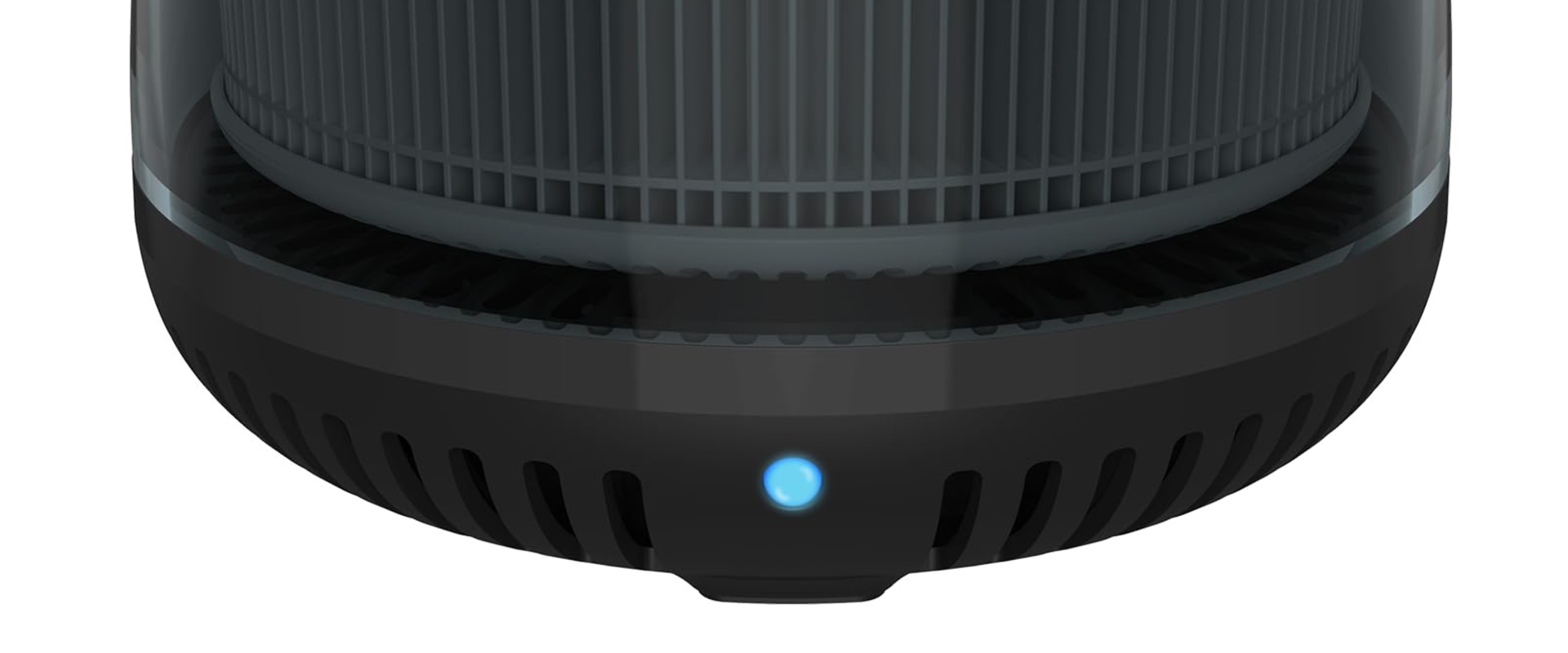
In today's world, where air quality is increasingly compromised by pollution, allergens, and indoor contaminants, understanding the mechanisms of air purification has never been more crucial. The air we breathe directly impacts our health and well-being, making it essential to choose the right type of air purifier for your home or office. Among the most popular options available are HEPA filters and ionizers , each offering distinct advantages and functionalities that cater to different needs.HEPA filters, known for their high efficiency in trapping airborne particles, are often recommended for individuals suffering from allergies or respiratory issues. They work by physically capturing pollutants such as dust, pollen, pet dander, and even some bacteria, ensuring that the air you breathe is as clean as possible.
On the other hand, ionizers operate on a different principle; they release negatively charged ions into the air that attach to positively charged particles, causing them to clump together and settle on surfaces rather than remaining airborne. This method can be effective in reducing certain types of pollutants but may not be suitable for everyone.The choice between a HEPA filter and an ionizer can significantly influence your indoor air quality. Factors such as the size of your space, specific health concerns, and maintenance preferences play a vital role in determining which option is best for you. As we delve deeper into this guide, we will explore the unique features of both HEPA filters and ionizers, helping you make an informed decision that aligns with your air purification needs.
What are HEPA Filters?
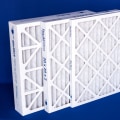
HEPA filters, or High Efficiency Particulate Air filters, are a type of mechanical air filter that have become synonymous with effective air purification.These filters are designed to capture a significant percentage of airborne particles, making them a popular choice for both residential and commercial air purification systems.
What Makes HEPA Filters Unique?
To qualify as a true HEPA filter, the device must meet specific standards set by the U. S. Department of Energy (DOE). A genuine HEPA filter must be able to trap at least 99.97% of particles that are 0.3 microns in diameter.
This includes a wide range of pollutants such as:
- Dust mites
- Pollen
- Mold spores
- Bacteria
- Pet dander
- Smoke particles
How Do HEPA Filters Work?
The functionality of HEPA filters is based on a combination of three mechanisms: interception, impaction, and diffusion. When air passes through the filter, particles are trapped in the following ways:
- Interception: As air flows through the filter, particles that come within one radius of a fiber will adhere to it.
- Impaction: Larger particles are unable to follow the airstream due to their mass and inertia, causing them to collide with the fibers and become trapped.
- Diffusion: Smaller particles move erratically due to Brownian motion, increasing their chances of colliding with fibers and being captured.
The Benefits of Using HEPA Filters
The advantages of incorporating HEPA filters into your air purification system are numerous:
- Improved Air Quality: By removing harmful particles from the air, HEPA filters contribute to a healthier living environment.
- Allergy Relief: For individuals suffering from allergies or asthma, HEPA filters can significantly reduce symptoms by eliminating allergens.
- Odor Reduction: While HEPA filters do not remove odors directly, they can help reduce the sources of unpleasant smells by capturing particulate matter.
- Long-Term Cost Efficiency: Although HEPA filters may have a higher upfront cost compared to standard filters, their effectiveness can lead to lower health-related expenses over time.
The Science Behind Ionizers
Ionizers are innovative devices designed to improve indoor air quality by utilizing the process of ionization. But what exactly are ionizers, and how do they function? At their core, ionizers work by emitting negatively charged ions into the air.These ions attach themselves to airborne particles, such as dust, pollen, smoke, and even bacteria, giving them a negative charge.Once these particles are charged, they tend to cluster together and become heavier. This increased weight causes them to settle on surfaces rather than remaining suspended in the air. As a result, ionizers can effectively reduce the concentration of airborne pollutants, leading to cleaner air in your home.
Benefits of Ionizers
- Cost-Effective: One of the most appealing aspects of ionizers is their affordability. Compared to HEPA filters, ionizers typically have a lower initial purchase price and require less frequent maintenance.
- Reduction of Odors: Ionizers can help neutralize unpleasant odors by breaking down odor-causing particles in the air.
This makes them particularly useful in kitchens or areas where pets reside.
- Elimination of Smaller Particles: Ionizers are effective at targeting smaller particles that may not be captured by traditional filters. This includes certain bacteria and viruses, making them a good option for those concerned about germs.
- Quiet Operation: Many ionizers operate silently, making them ideal for use in bedrooms or offices where noise can be a distraction.
Limitations of Ionizers
While ionizers offer several advantages, they also come with limitations that should be considered:- No Physical Filtration: Unlike HEPA filters that physically trap particles, ionizers do not remove pollutants from the air. Instead, they simply charge them so they settle on surfaces. This means regular cleaning is necessary to maintain a healthy environment.
- Ozone Production: Some ionizers can produce ozone as a byproduct of their operation.
Ozone can be harmful to respiratory health if present in high concentrations. It’s essential to choose an ionizer that minimizes ozone emissions.
- Effectiveness in Larger Spaces: Ionizers may be less effective in larger areas compared to HEPA filters. Their performance can diminish as the size of the space increases, making them more suitable for smaller rooms.
Comparative Analysis: HEPA Filters vs.
IonizersWhen it comes to choosing between HEPA filters and ionizers, understanding their respective strengths and weaknesses is crucial for making an informed decision. Below, we provide a detailed comparison of these two popular air purification technologies, highlighting their effectiveness, maintenance requirements, and suitability for different environments.
Effectiveness in Air Purification
HEPA filters
are renowned for their ability to capture a wide range of airborne particles. They are designed to trap at least 99.97% of particles that are 0.3 microns in size or larger, including dust, pollen, pet dander, and even some bacteria and viruses. This makes them particularly effective for individuals suffering from allergies or respiratory conditions.In contrast, ionizers work by emitting negatively charged ions into the air.
These ions attach themselves to airborne particles, causing them to clump together and settle on surfaces rather than remaining suspended in the air. While ionizers can reduce the number of airborne particles, they do not actively remove them from the environment, which may not be ideal for those with severe allergies.
Maintenance and Upkeep
Another important factor to consider is maintenance. HEPA filters require regular replacement—typically every 6 to 12 months—depending on usage and air quality. This ongoing cost can add up but is essential for maintaining optimal performance.On the other hand, ionizers generally require less maintenance since they do not have filters that need replacing.However, they do necessitate periodic cleaning of surfaces where particles accumulate, which can be a drawback for some users.
Noise Levels
Noise levels can also play a significant role in your choice of air purifier. HEPA filter units often operate with fans that can produce noticeable noise, especially at higher settings. This may be a concern in quiet environments like bedrooms or offices.Ionizers tend to operate more quietly since they do not rely on fans to circulate air. This makes them a suitable option for those who prioritize a peaceful atmosphere while still wanting to improve indoor air quality.Environmental Considerations
From an environmental perspective, HEPA filters are generally considered more eco-friendly as they do not produce ozone—a harmful pollutant that can exacerbate respiratory issues.In contrast, some ionizers can generate ozone as a byproduct of their operation, which raises concerns about indoor air quality.In summary, the choice between HEPA filters and ionizers largely depends on your specific needs:
- If you prioritize maximum particle removal and have allergies or respiratory issues, a HEPA filter is likely the better choice.
- If you are looking for a quieter option with lower maintenance requirements and are less concerned about airborne allergens, an ionizer may suit your needs.
Health Considerations: Allergies, Asthma, and More
When it comes to indoor air quality, health considerations play a crucial role in deciding between HEPA filters and ionizers. Individuals suffering from allergies, asthma, or other respiratory conditions must carefully evaluate their options to ensure they choose the most effective air purification method.HEPA Filters for Allergies
For those who experience allergies , HEPA filters are often the preferred choice. These filters are specifically designed to capture a wide range of airborne allergens, including:- Pollen : A common trigger for seasonal allergies, pollen can easily infiltrate homes and exacerbate symptoms.
- Dust Mites : These microscopic creatures thrive in household dust and can cause significant allergic reactions.
- Mold Spores : Mold can grow in damp areas of the home, releasing spores that can trigger asthma and allergy symptoms.
- Pet Dander : For pet owners, dander is a major allergen that can linger in the air and on surfaces.
Ionizers for Asthma
On the other hand, ionizers may appeal to those with asthma due to their ability to neutralize smaller particles that can trigger asthma attacks.Ionizers work by emitting negative ions into the air, which attach to positively charged particles such as:
- Bacteria : These microorganisms can exacerbate respiratory issues and are often found in indoor environments.
- Viruses : Similar to bacteria, viruses can pose a significant risk for individuals with compromised respiratory systems.
- Smoke Particles : Smoke from cooking or tobacco can irritate the lungs and worsen asthma symptoms.
Health Benefits of Air Purifiers
The health benefits of using air purifiers extend beyond just alleviating allergy and asthma symptoms. Improved indoor air quality can lead to:- Better Sleep Quality : Cleaner air can contribute to more restful sleep by reducing nighttime allergens.
- Enhanced Focus and Productivity : A healthier environment promotes better cognitive function and concentration.
- Reduced Risk of Respiratory Infections : By minimizing airborne pathogens, air purifiers can lower the likelihood of illness.
Cost Analysis: Budgeting for Air Purifiers
When considering air purifiers, understanding the cost implications is crucial for making an informed decision.Both HEPA filters and ionizers come with their own financial considerations, from initial purchase prices to ongoing maintenance costs.
Initial Costs
The upfront cost of an air purifier can vary significantly between HEPA filters and ionizers. Generally, HEPA filter air purifiers tend to be more expensive initially. Prices for quality HEPA units typically range from $100 to $800, depending on the brand, features, and room size they are designed to cover. For instance, a compact model suitable for small rooms may cost around $100, while larger units capable of purifying air in extensive spaces can exceed $500.In contrast, ionizers are often more budget-friendly.You can find basic models starting as low as $50, with more advanced options reaching up to $300. This lower price point makes ionizers an attractive choice for those on a tight budget or looking for a temporary solution.
Maintenance Expenses
Maintenance is another critical factor in the overall cost of air purifiers. HEPA filters require regular replacement to maintain their efficiency. Depending on usage and environmental factors, these filters should be replaced every 6 to 12 months.Replacement costs can range from $20 to $100 per filter, adding to the long-term expense of owning a HEPA purifier.On the other hand, ionizers typically have lower maintenance costs since they do not require filter replacements. However, they do need periodic cleaning to remove the particles that accumulate on collection plates or surfaces where charged particles settle. This cleaning process can be done with a damp cloth or sponge and does not incur additional costs.
Long-Term Value
When evaluating long-term value, it’s essential to consider not just the purchase price but also how effectively each type of purifier meets your needs over time. While HEPA filters may have higher initial and maintenance costs, their ability to remove 99.97% of airborne particles makes them a worthwhile investment for individuals with allergies or respiratory issues.Ionizers may save you money upfront and in maintenance but might not provide the same level of air quality improvement as HEPA filters.Therefore, if your primary concern is health-related—especially in households with allergy sufferers—investing in a quality HEPA filter could yield better long-term benefits.Ultimately, your choice between HEPA filters and ionizers should align with your budgetary constraints and specific air quality needs. By carefully analyzing both initial costs and ongoing expenses, you can make a decision that ensures clean air without breaking the bank.
Environmental Impact: Sustainability in Air Purification
As the world becomes increasingly aware of environmental issues, the environmental impact of air purifiers has come under scrutiny. Both HEPA filters and ionizers have distinct implications for sustainability, particularly in terms of energy consumption and waste management.Energy Consumption
- HEPA Filters: These devices typically require more energy to operate than ionizers. The fan systems used to draw air through the dense HEPA filter can consume significant electricity, especially in larger units designed for extensive spaces.
However, many modern HEPA air purifiers are designed with energy efficiency in mind, often featuring energy-saving modes that reduce power usage during low-demand periods.
- Ionizers: Generally, ionizers consume less energy compared to HEPA filters. They do not rely on fans to circulate air; instead, they emit negative ions that attach to airborne particles. This process can be less energy-intensive, making ionizers an attractive option for those looking to minimize their carbon footprint.
Waste Management
- HEPA Filters: One of the significant downsides of HEPA filters is the waste generated from used filters. These filters need to be replaced regularly—typically every 6 to 12 months—depending on usage and air quality conditions.
Disposing of these filters can contribute to landfill waste unless they are recycled properly. Some manufacturers are beginning to offer recycling programs, which can mitigate this issue.
- Ionizers: Ionizers produce less physical waste since they do not require frequent filter replacements. However, they can generate ozone as a byproduct, which may have negative health effects if not properly managed. It’s essential for consumers to choose ionizers that comply with safety standards regarding ozone emissions.
Sustainable Air Purification Options
For environmentally conscious consumers, there are several sustainable air purification options available:
- Hybrid Systems: Some air purifiers combine HEPA filtration with ionization technology, offering the benefits of both systems while potentially reducing energy consumption and waste.
- Reusable Filters: Look for models that feature washable or reusable filters, which can significantly reduce waste over time.
- Energy Star Certified Units: Choosing air purifiers that are Energy Star certified ensures that you are selecting models designed for energy efficiency.
By making informed choices and opting for sustainable options, consumers can enjoy cleaner indoor air while minimizing their ecological footprint.
User Experiences: Real-Life Testimonials and Reviews
When it comes to choosing between HEPA filters and ionizers, user experiences can provide invaluable insights. Real-life testimonials often highlight the strengths and weaknesses of each type of air purifier, helping potential buyers make informed decisions.HEPA Filter Reviews
Many users who have opted for HEPA filters report significant improvements in their indoor air quality. For instance, a user from California shared:"After installing a HEPA filter in my home, I noticed a drastic reduction in dust and allergens. My allergies have improved tremendously, and I can finally breathe easier at night."This sentiment is echoed by numerous others who suffer from respiratory issues.
A mother of two children with asthma noted:
"The HEPA filter has been a game-changer for us. It captures pet dander and pollen effectively, which has made a noticeable difference in my kids' breathing during allergy season."However, some users have pointed out that while HEPA filters are effective, they require regular maintenance. A user from New York mentioned:
"I love my HEPA air purifier, but I have to remember to change the filters every few months. It’s worth it for the clean air, but it can be a hassle if you forget!"
Ionizer Testimonials
On the other hand, testimonials for ionizers often highlight their affordability and ease of use.A user from Texas remarked:
"I bought an ionizer because it was budget-friendly. I was surprised at how well it worked to reduce odors in my home, especially in the kitchen!"Another user emphasized the effectiveness of ionizers in smaller spaces:
"In my small apartment, the ionizer has made a noticeable difference. I can see dust settling on surfaces less frequently, which is great!"However, some users have raised concerns about the potential drawbacks of ionizers. A user from Florida expressed:
"While I like my ionizer for its low cost, I’ve noticed that it doesn’t remove particles from the air as effectively as I hoped.In summary, both HEPA filters and ionizers have their advocates and critics. User experiences reveal that while HEPA filters excel in removing airborne particles and improving air quality for allergy sufferers, ionizers offer a more budget-friendly option with some limitations. Ultimately, understanding these real-life testimonials can guide you toward the right choice for your specific needs.I still need to clean surfaces regularly to keep dust at bay."
Frequently Asked Questions (FAQs)
When it comes to air purification, many consumers have questions about the differences between HEPA filters and ionizers. Below are some of the most frequently asked questions that can help clarify your understanding of these two technologies.What is a HEPA filter?
A HEPA filter (High Efficiency Particulate Air filter) is a type of mechanical air filter that captures at least 99.97% of particles that are 0.3 microns in size.This includes common allergens such as dust, pollen, mold spores, and pet dander. HEPA filters work by forcing air through a fine mesh of fibers, effectively trapping these particles and preventing them from circulating back into the air.
How does an ionizer work?
An ionizer operates by emitting negatively charged ions into the air. These ions attach themselves to airborne particles, giving them a negative charge. As a result, these charged particles tend to stick to surfaces in your home, such as walls and furniture, rather than remaining airborne.This process can help reduce the number of particles in the air but does not remove them from your environment.
Are HEPA filters better than ionizers?
The effectiveness of HEPA filters compared to ionizers largely depends on your specific needs. If you are concerned about allergens or respiratory issues, HEPA filters are generally more effective at removing harmful particles from the air. On the other hand, if you are looking for a low-cost option to reduce smaller particles and are willing to clean surfaces regularly, an ionizer may be suitable.Do ionizers produce ozone?
Some ionizers can produce ozone as a byproduct of their operation. Ozone can be harmful to health when inhaled in significant amounts.It is essential to choose an ionizer that is certified as ozone-free or has low ozone emissions if you are concerned about this issue.
Can I use both a HEPA filter and an ionizer together?
Yes, using both a HEPA filter and an ionizer can provide comprehensive air purification. The HEPA filter will effectively capture larger particles, while the ionizer can help reduce smaller particles and improve overall air quality. This combination can be particularly beneficial for households with allergy sufferers or those living in areas with high pollution levels.How often should I replace my HEPA filter?
Typically, HEPA filters should be replaced every 6 to 12 months, depending on usage and manufacturer recommendations. Regularly checking your filter for dirt and debris can help you determine when it needs replacement.By addressing these common questions, we hope to enhance your understanding of air purifier technologies and assist you in making an informed decision for your home environment.Conclusion: Making an Informed Choice for Your Home
In conclusion, the decision between a HEPA filter and an ionizer for your air purification needs is not a straightforward one.Each option presents its own set of advantages and limitations, making it essential to consider your specific circumstances before making a choice.
Understanding Your Needs
- If you are primarily concerned about allergens such as dust, pollen, and pet dander, a HEPA filter is likely the best option. Its ability to capture 99.97% of particles as small as 0.3 microns makes it highly effective for improving indoor air quality.
- On the other hand, if your main concern is eliminating germs and viruses, an ionizer may serve you well. Ionizers can effectively neutralize smaller particles and pathogens, providing a different approach to air purification.
Consider Your Environment
The size of your space also plays a crucial role in your decision. HEPA filters tend to perform better in larger areas, while ionizers are often more effective in smaller rooms.
If you have a large living area or multiple rooms to purify, investing in a high-quality HEPA filter may yield better results.
Maintenance and Upkeep
Another factor to consider is maintenance. HEPA filters require regular replacement to maintain their efficiency, while ionizers may need periodic cleaning of surfaces where charged particles accumulate. Understanding the upkeep involved with each type can help you choose an option that fits your lifestyle.
Your Health Matters
Ultimately, your health and well-being should guide your decision. For individuals with respiratory issues or allergies, the consistent performance of a HEPA filter can provide significant relief.
Conversely, if you are looking for a cost-effective solution that addresses airborne pathogens, an ionizer might be suitable.In summary, both HEPA filters and ionizers have their place in air purification. By carefully evaluating your needs, environment, and health considerations, you can make an informed choice that enhances the air quality in your home.